Harper Richter · 24 October 2026
Integrating Circadian Rhythm Principles into the Structure of Online Wellness Resource Libraries
Researchers have mapped how human physiological cycles influence attention, energy, and information retention, and platform developers now apply those patterns when organizing digital wellness collections. Studies from the National Institutes of Health indicate that core body temperature, cortisol release, and melatonin onset create predictable windows for different types of content consumption, which libraries can mirror through metadata tags, search filters, and homepage layouts that shift throughout the day.
Mapping Biological Timing to Resource Categories
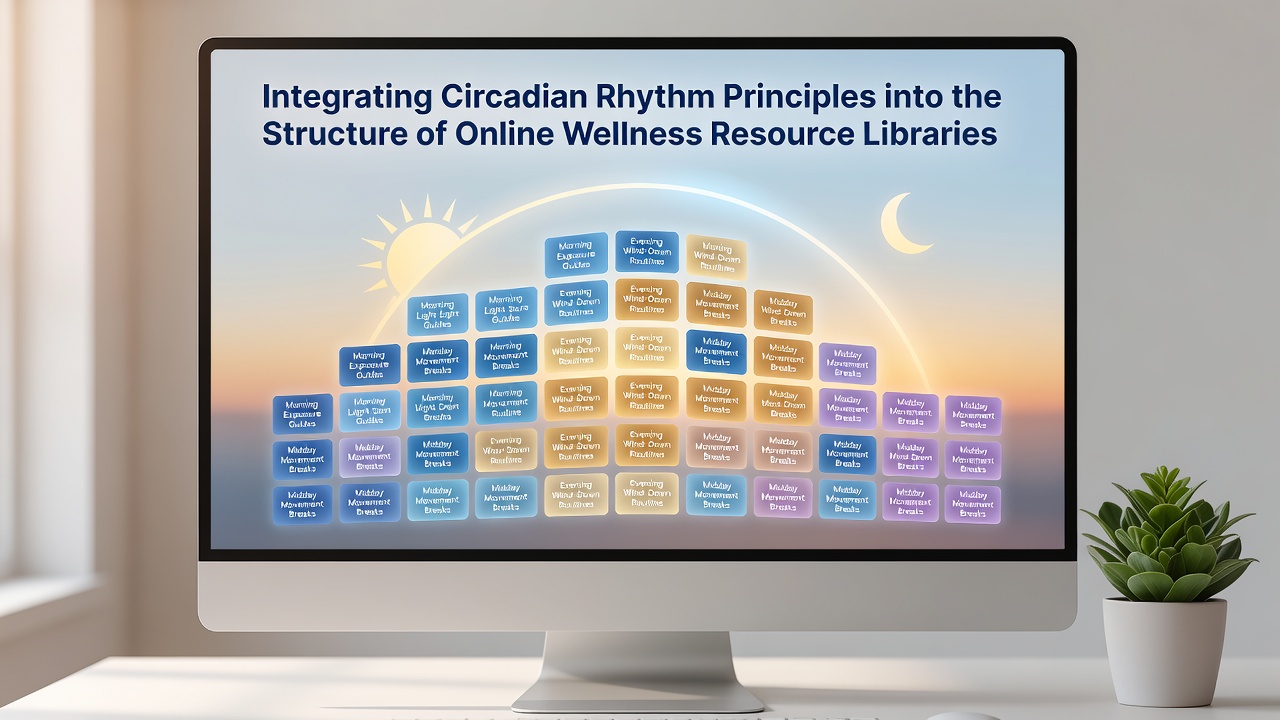
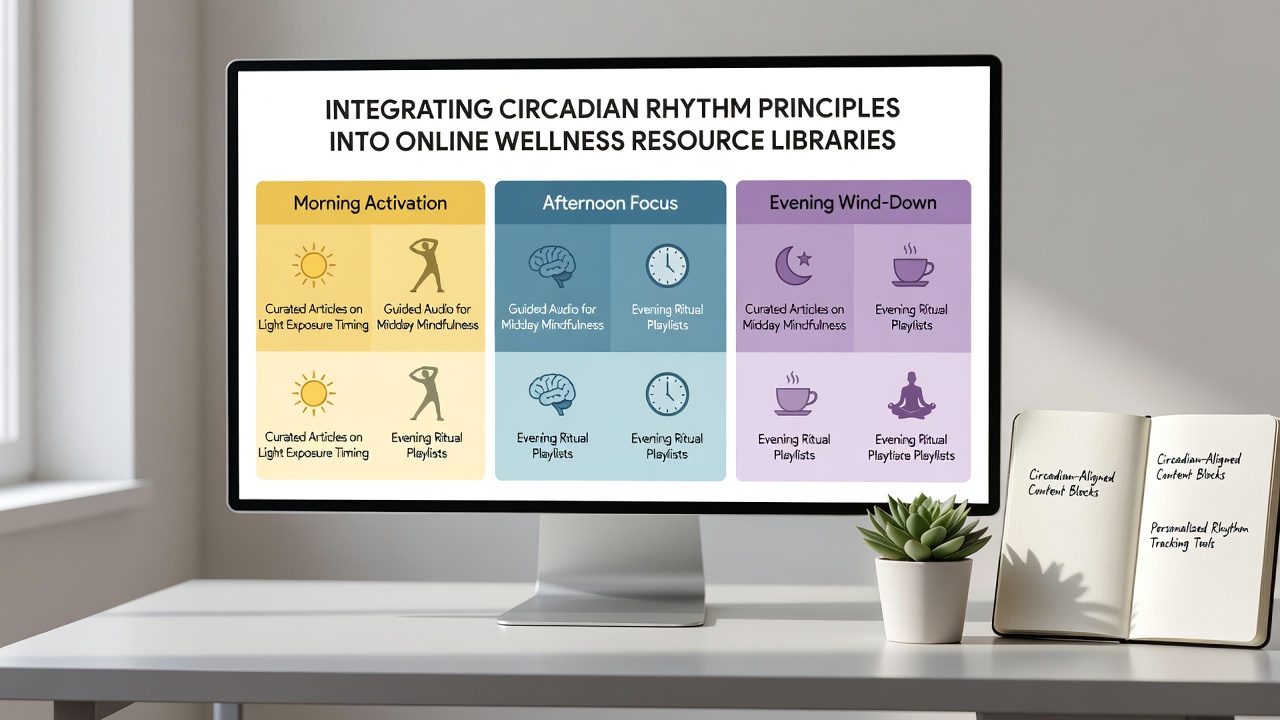
Library architects assign content blocks to specific circadian phases rather than static topic lists, so users encounter movement sequences during the typical cortisol surge, mindfulness modules near the afternoon dip, and wind-down protocols as melatonin production rises. Data collected across multiple longitudinal cohorts show that material presented during aligned windows improves adherence rates compared with random distribution, because users meet information when their systems are primed for it.
Metadata schemas now include fields for recommended time-of-day exposure, light-level compatibility, and duration relative to sleep onset. When a user logs in, the system references their declared timezone and recent activity patterns to surface the matching subset of the collection, while still keeping the full archive searchable for those who prefer manual navigation.
Technical Implementation in Platform Architecture
Developers integrate time-based recommendation engines that draw on publicly available circadian datasets rather than proprietary tracking, which keeps the system compliant with privacy regulations across regions. Content delivery networks cache different homepage versions for peak morning, midday, and evening hours, reducing load times while preserving the biological alignment. One study released by the European Sleep Research Society demonstrated that such segmented delivery produced measurable differences in user session length and repeat visits across tested sites.
Examples from Existing Wellness Platforms
Take the case of a botanical-focused membership site that reorganized its video library after reviewing sleep-lab findings on light sensitivity. The platform now places guided outdoor movement classes in the first available slot after local sunrise, followed by nutrition modules timed to typical digestive peaks, and finally audio resources that emphasize reduced screen brightness. Observers note that engagement graphs flattened into more consistent daily curves once the structure reflected these biological markers.
Another implementation appears in university extension programs that serve shift workers. Researchers at an Australian sleep research center supplied the library team with templates for rotating schedules, and the resulting interface lets users toggle between standard and inverted circadian tags. Figures from the project reveal higher completion rates for multi-week modules when participants could match content order to their actual sleep windows instead of following a fixed calendar.
Data Patterns Supporting Time-Sensitive Organization
Analysis of aggregated usage logs across wellness domains shows that queries for stress-management tools spike in the late afternoon, while searches for sleep hygiene peak after 8 p.m. in most timezones. Platforms that pre-load relevant results during those windows reduce bounce rates because the information arrives when the user is already seeking it. Government health portals in Canada have published similar usage statistics, confirming that circadian-informed navigation improves findability without requiring additional marketing spend.
October 2026 marks the scheduled rollout of updated open-source circadian tagging standards that several library consortia plan to adopt. These standards will standardize fields for light-exposure warnings and recommended session length, allowing smaller platforms to implement the same structures previously limited to larger commercial sites.
Conclusion
Resource libraries that embed circadian timing into their architecture align content presentation with documented human physiological rhythms, and available datasets continue to guide refinements in metadata, caching, and recommendation logic. As more organizations adopt these patterns ahead of the 2026 standard updates, the approach is expected to expand from specialized wellness collections into broader educational and corporate training environments.